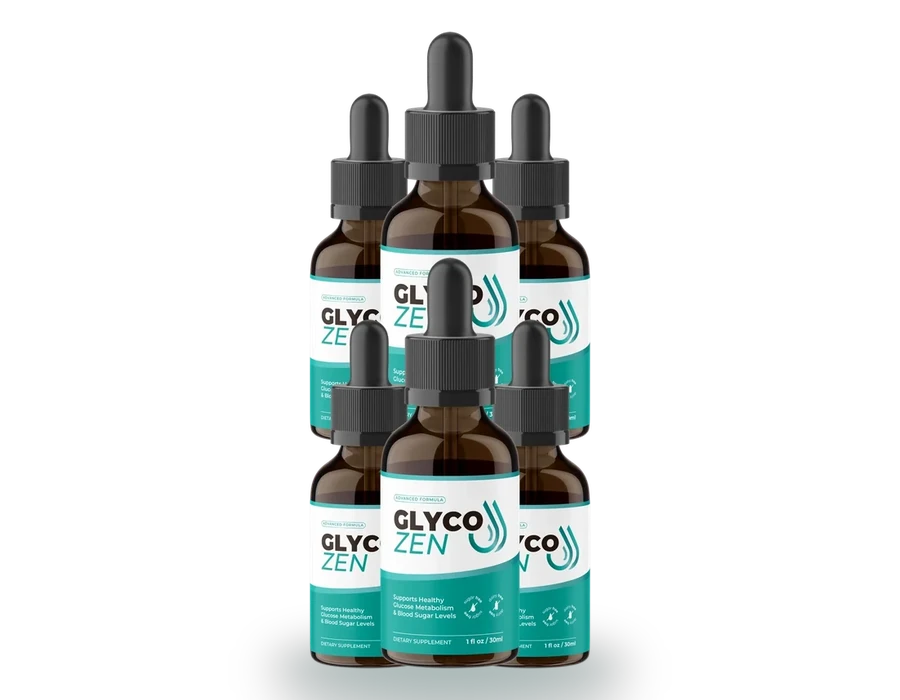
Berberine has become one of the most talked-about supplements online. It's also one of the four ingredients in GlycoZen. So what does the research actually show, and what should you know before taking it?
What berberine is
Berberine is a bright-yellow compound found in several plants, including European barberry, goldenseal, goldthread, Oregon grape and tree turmeric. Plants containing berberine have been used for thousands of years in traditional Chinese and Ayurvedic medicine.
What the evidence says
NIH's National Center for Complementary and Integrative Health summarizes it this way: there is some evidence that berberine may have a modest effect on lowering blood glucose in people with type 2 diabetes, and it may reduce cholesterol.
Published meta-analyses back this up with caveats. A 2019 review of 28 randomized controlled trials, covering 2,313 people with type 2 diabetes, found berberine lowered blood glucose compared with control groups, but the effect depended on dose, treatment length and age. Many trials were small, of mixed quality, and conducted mainly in China.
Important limits
- Studies used isolated berberine at specific doses, often around 1 gram a day or more.
- Results for berberine alone don't automatically apply to a combination product.
- Most participants already had diabetes; less is known about people with normal blood sugar.
Safety: who should avoid berberine
According to MedlinePlus and NCCIH:
- Pregnancy and breastfeeding: berberine is likely unsafe and should be avoided.
- Newborns and infants: berberine should not be given.
- Medications: berberine can interact with several drugs, including diabetes medicines (risk of blood sugar dropping too low), blood pressure medicines and cyclosporine.
- Side effects: nausea, stomach discomfort and other digestive symptoms are the most common.
Where berberine fits in GlycoZen
In GlycoZen, berberine is one of four ingredients selected around glucose metabolism, alongside Gymnema Sylvestre, Ceylon Cinnamon and Chromium.* If you take diabetes medicine, talk with your doctor before adding any berberine-containing supplement. See the full ingredient breakdown on How It Works or the Healthy Glucose Metabolism focus area.
Sources
- NCCIH: In the News: Berberine
- NCCIH: Berberine and Weight Loss: What You Need To Know
- MedlinePlus: Berberine
- PubMed: Effects of berberine on blood glucose in T2DM (meta-analysis)
More articles
This article is for general education and isn't medical advice. Talk with your health care provider before starting any supplement. *These statements have not been evaluated by the Food and Drug Administration. This product is not intended to diagnose, treat, cure, or prevent any disease.